Hi there! Today I wanted to talk about a very popular product to sell in Artist Alleys: Buttons! Buttons are pretty quick and easy to make, and sell well at every convention I’ve ever sold at. The cost of buying a button maker is usually between $200-$500, which can be an impossible amount to invest in when you’re first starting out. Luckily there’s a lot of websites out there that offer custom button services for those of you who want to sell buttons, but don’t have the money, or time to make buttons yourself. I’m one of those website. *waves* You can find the link to samples and prices for the custom buttons I offer in the navigation menu under Services. *smiles* Throughout the rest of this post I’ll walk you through how to take artwork you’ve already made, and format it into a button design. To be able to utilize this tutorial you’ll need to have a finished piece of art, and access to Photoshop or a similar program. Are you ready?
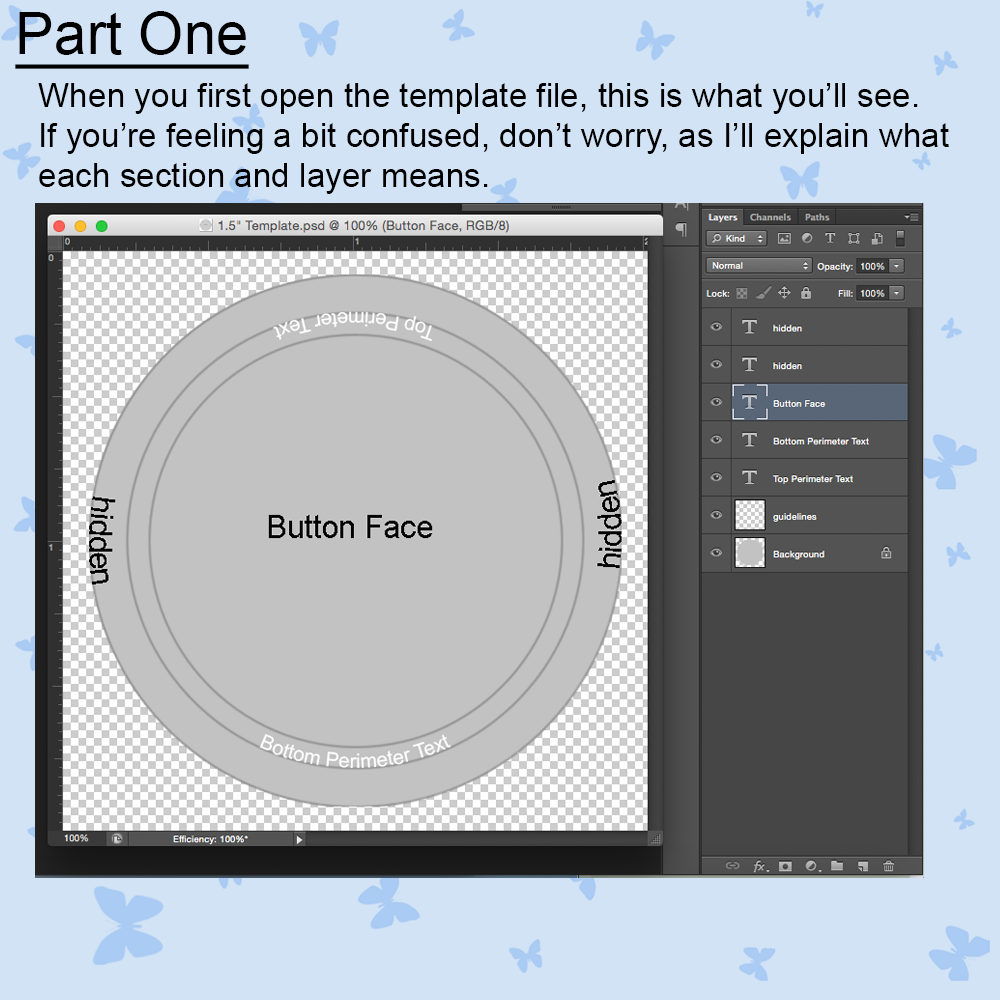
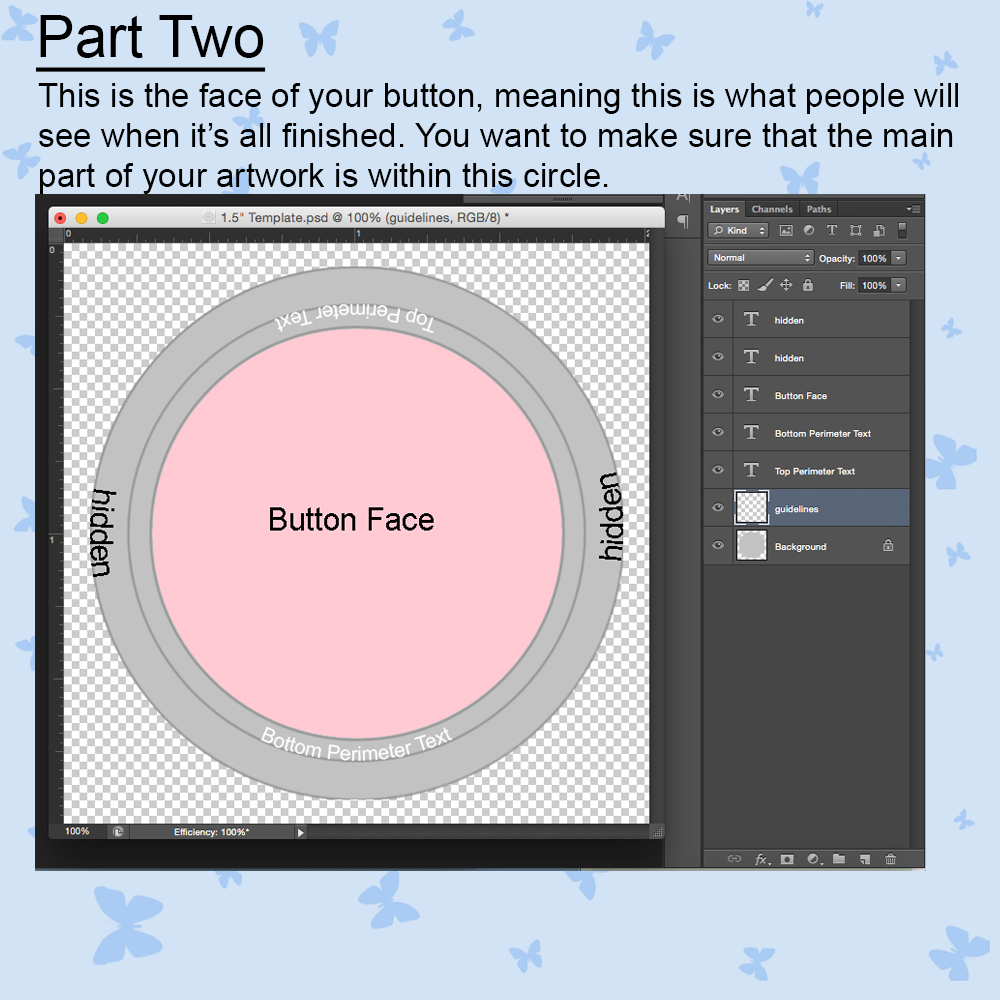
To start off you’ll need to decide what size buttons you want to make. I currently have templates for 1.5″ buttons, and 3.5″ buttons. This tutorial was made using the template for the 1.5″ buttons. The 3.5″ template looks slightly different, but works in the same way. You can download the templates below.
Now that you have your chosen template, we’re ready to start.
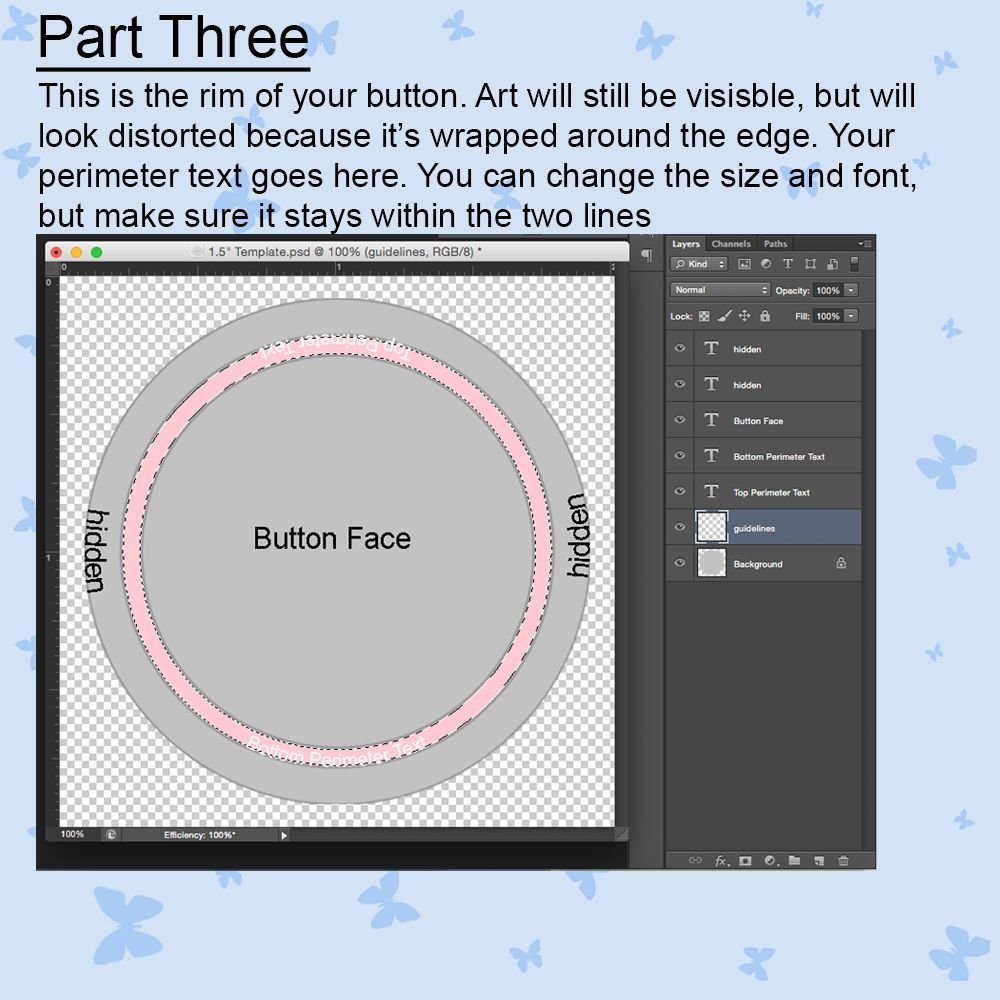
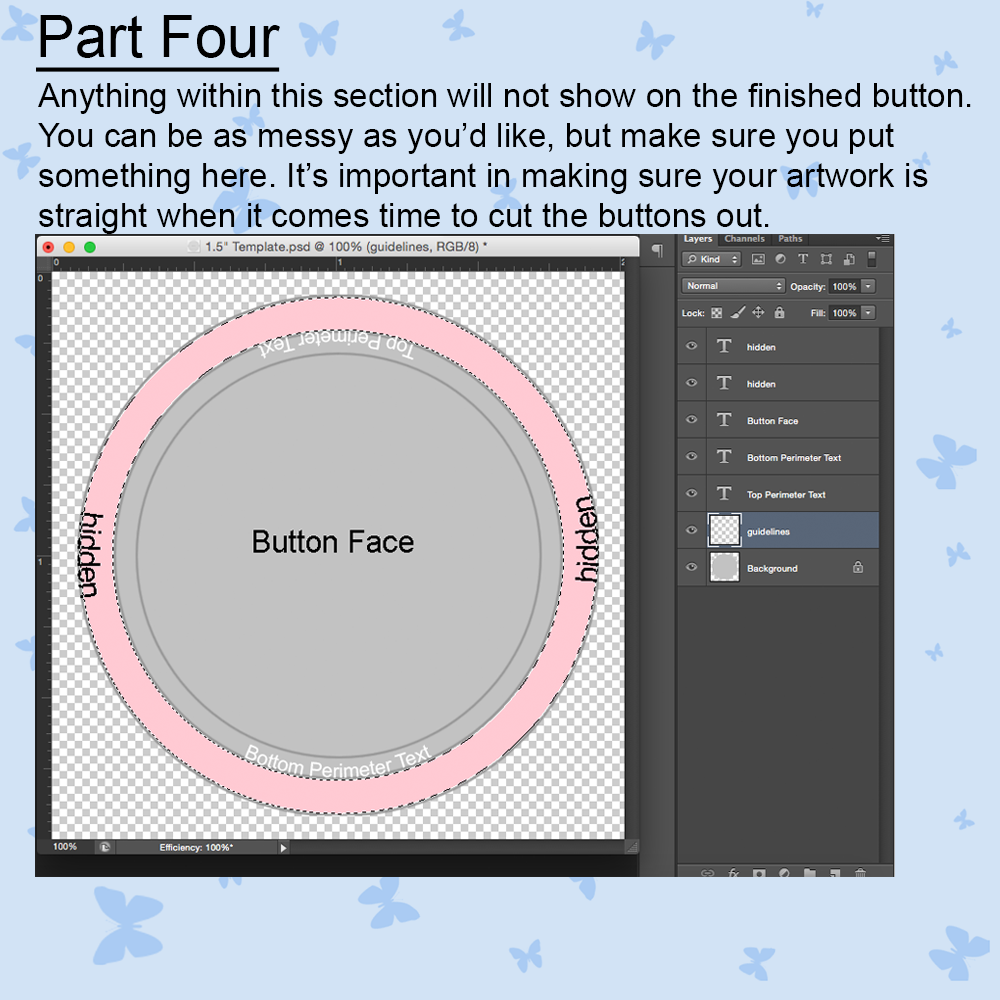
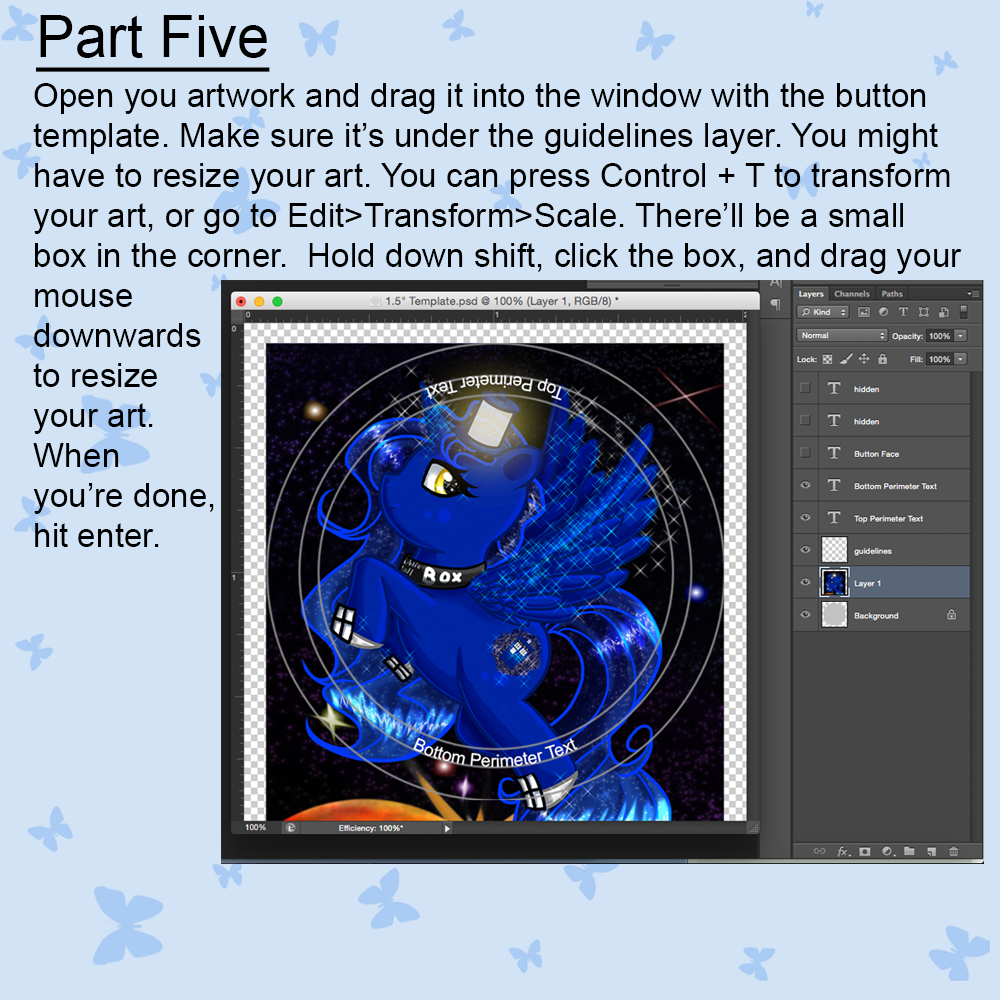
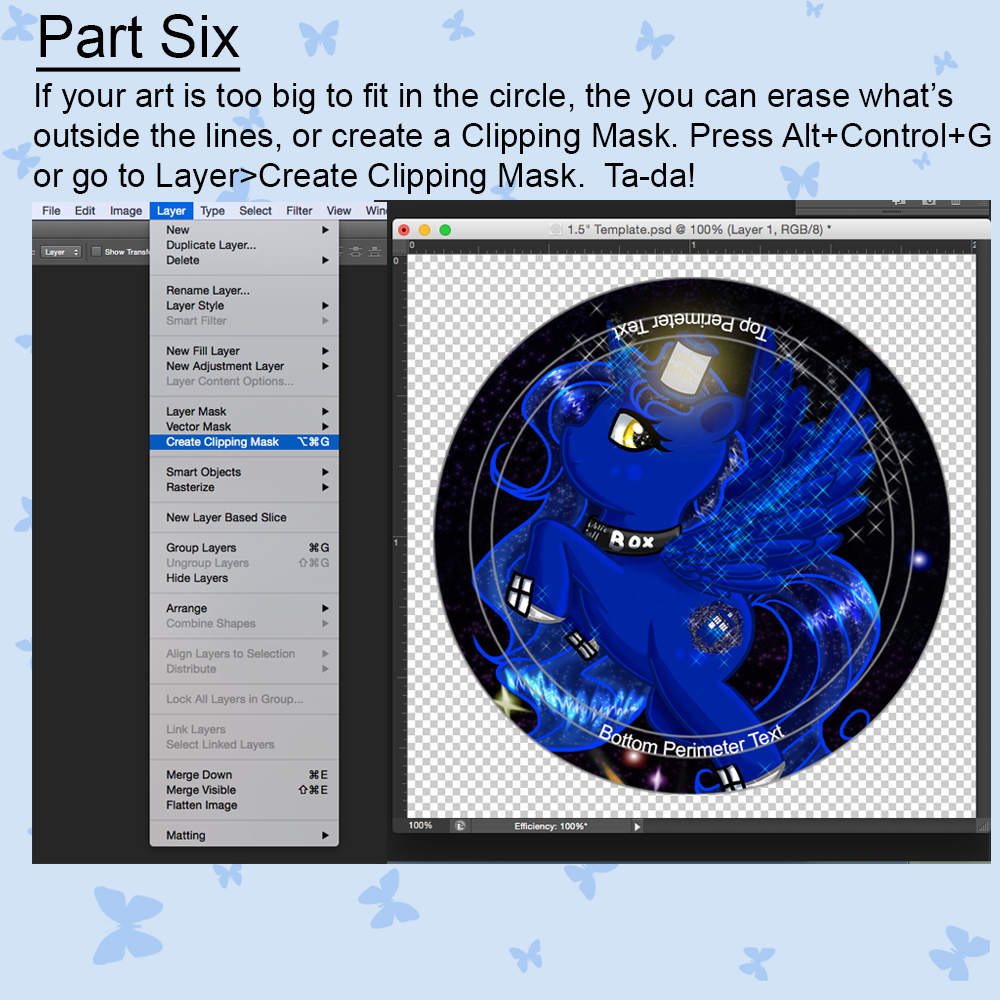
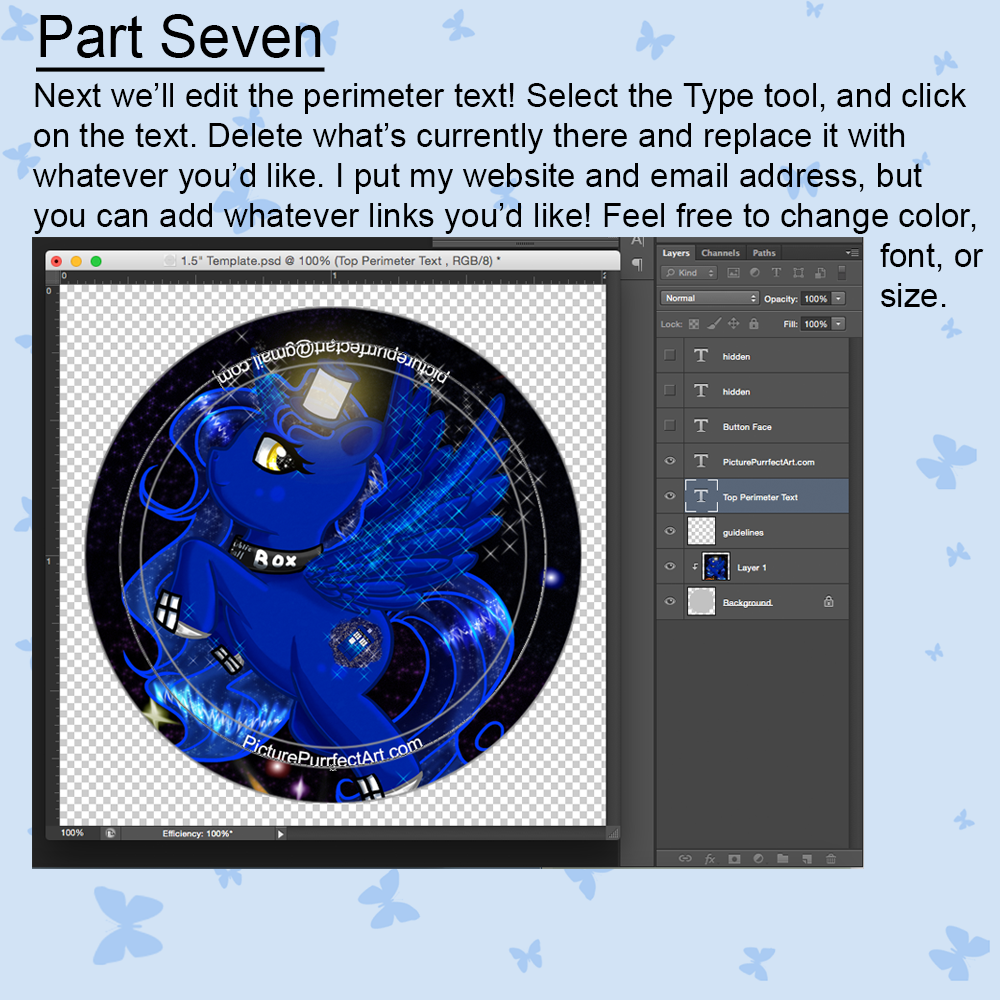
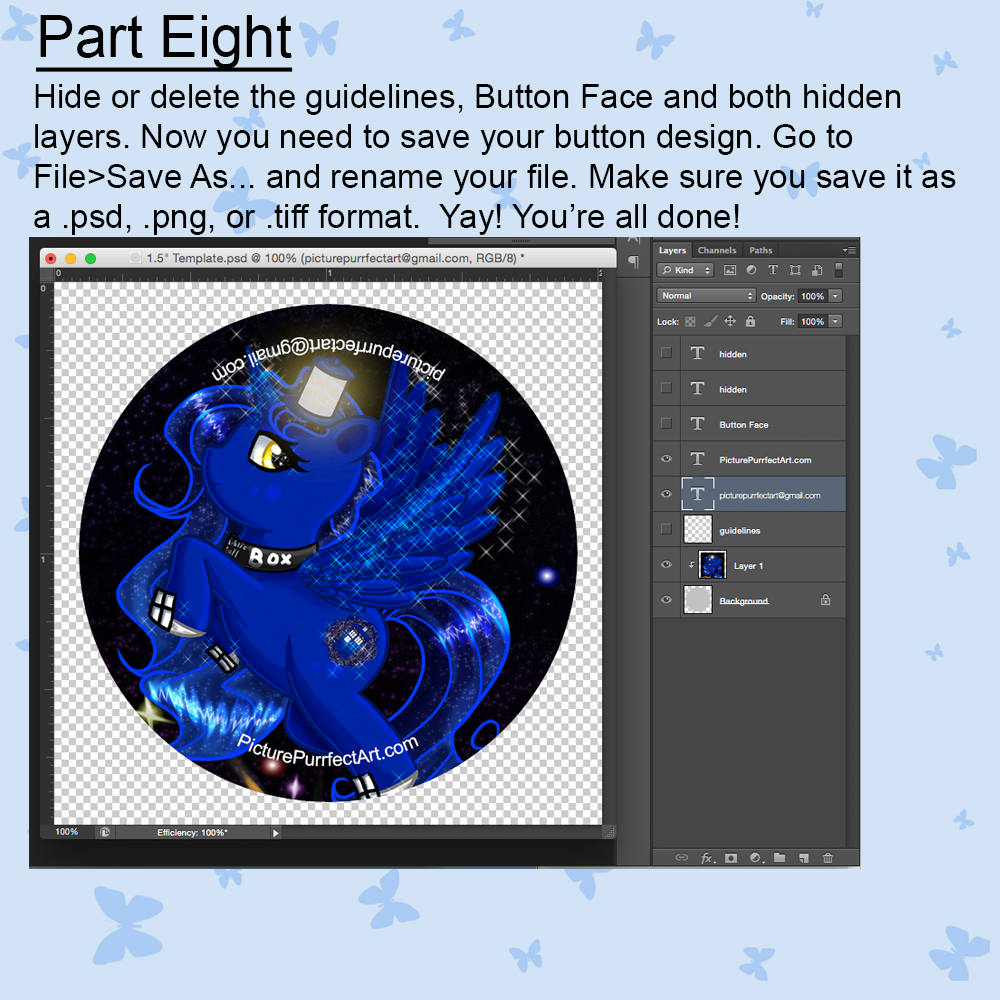
Woohoo! Now we’re all done. *smiles* For those of you who want to order custom buttons from me, you now have a finished file that I can easily print out and press into an awesome new product. For those of you who are planning to, or have already bought a button maker of your very own, I’ll be making another tutorial on how to take the file you made today and prepare a sheet of buttons, and I’ll also walk you through on how to actually prep and press your own buttons.
If you have any questions, or comments, please leave me a comment and let me know! <3


Sophie Adams
Cảm ơn bài viết. Với dịch vụ du học Hàn Quốc chuyên nghiệp, Letco giúp bạn tiết kiệm thời gian và chi phí chuẩn bị hồ sơ. Truy cập letco.vn để biết thêm.
Mark Phillips
This resonated with me. Funny timing, because of this. Whenever someone I know is job hunting, I point them to https://bhxf.cn-main-rayspeed.com/. It’s a listings platform where you find real openings fast — filter local or remote without the hassle.
Brian Scott
Slightly off-topic, but worth it. There’s a careers site over at https://ddii.app-zh-qygsports.com/ that is genuinely worth a look. It aggregates fresh positions daily, and the thing I like is how fast the search is. Anyway, enough from me.
Megan Ward
Great read, thanks for sharing. Found something related over at zh-link-xiongmao.com that adds useful context.
A WordPress Commenter
The points are worth considering when evaluating risk and reward.
Compound Interest Calculator
porn pictures
I like this
www.555329.com
An Engaging Blog Post
Corey1020
https://addlinks.pro/PNSsA
pornip
The content is really great
pornip.com
WOW,Very wonderful
555329
Hi,how are you
hyabeautomdang1975
Наблюдайте за интересными событиями игровой индустрии вместе с нашим разделом новостей. Здесь мы разбираем ожидаемые премьеры, неожиданные заявления разработчиков, даты выхода игр, патчи, дополнения и события киберспорта. Узнавайте первыми о онлайн казино для ПК, консолей и мобильных устройств: от крупных блокбастеров до необычных инди-игр. Вы найдёте материалы о том, что действительно обсуждают игроки, какие новинки готовятся к релизу и какие изменения уже появились в любимых играх.
www.555329.com
If you are mad at me, just curse me out
pornip.com
HI,I AM HERE AGAIN AND AGAIN
headlamp for heavy rain
The part about picking button size before formatting is easy to overlook, and the jump from template download to finished file skips the actual steps, which left me unsure how the artwork gets positioned inside the safe circle. One practical tweak: before exporting, add a thin guide circle showing the bleed and trim area, then do a test print at actual size and cut it out to confirm nothing important gets clipped by the press. That check catches edge problems before ordering a batch.
Rechargeable Flashlight
The part about deciding button size first makes sense, but the tutorial skips over how much of the artwork gets lost around the edge during pressing, which matters a lot for text or faces near the border. Before finalizing a design, I’d suggest printing the template at actual size and laying it over the artwork to check what falls in the bleed and safe zones, then nudging key elements inward a few millimeters so nothing important gets trimmed off.
Rechargeable Flashlight
The part about downloading a template sized for the specific button is easy to overlook, and it’s the step that saves a lot of cropping headaches later. One practical tweak: before flattening and exporting the final file, add a visible safe-margin guide on its own layer showing where the press will wrap the edge, then hide it only at export. That way you can check no faces or key text sit in the wrap zone, which is where most button designs get clipped.
HL10 2-IN-1 HEADLIGHT FLASHLIGHT 1250LM - MAGNETIC TAIL RECHARGEABLE CAMPING HIKING HEADLAMP
The part about downloading a size-specific template is the step most people skip, and it’s where designs usually go wrong. One thing worth adding: before flattening the file, check the bleed and safe area on the template by temporarily filling them with a bright color, then hide that layer. It makes it obvious whether any text or key art sits too close to the trim. Also confirm the resolution matches what the printer expects before exporting.
Shengqi Lighting
The part about matching artwork to the template is easy to overlook, especially the safe zone where the button edge wraps around and can crop your design. One practical tweak: before flattening and exporting, duplicate the template layer and set it to a low opacity so you can check that no important detail like text or a face sits in the bleed area. Also confirm your canvas is at 300 dpi so the printed buttons stay sharp.
binary options 625
Discover the basics iq option strategy. Analyze market signals, research trading platforms, and discuss the specifics of trading and the risks associated with it.
remont vannoy 256
Организуйте профессиональный бюджетный ремонт в ванной с учетом планировки и ваших пожеланий. Согласуйте отделочные материалы, сантехнику и дизайн, чтобы оформить удобное, функциональное и современное пространство.
findrealme
https://www.findreal.me : Free science‑backed assessments for personality, career, IQ & EQ. Private instant results. Uncover your true self right now.